Eco-Snorkeling in St. Thomas: 5 Sustainable Spots for 2026
Eco-Snorkeling in St. Thomas: 5 Sustainable Spots for 2026
The Definitive Guide to the Best Snorkeling in St. Thomas 2026
The 2026 Snorkeler’s Code of Conduct
To keep St. Thomas pristine, the following protocols are essential for every visitor this year:
- 🚫 No-Touch Policy: Coral is a living animal. Even a light touch can transfer oils that lead to disease.
- 🧴 Mineral Sunscreen: Only use Non-Nano Zinc Oxide. It is the only 2026-compliant way to protect your skin and the reef.
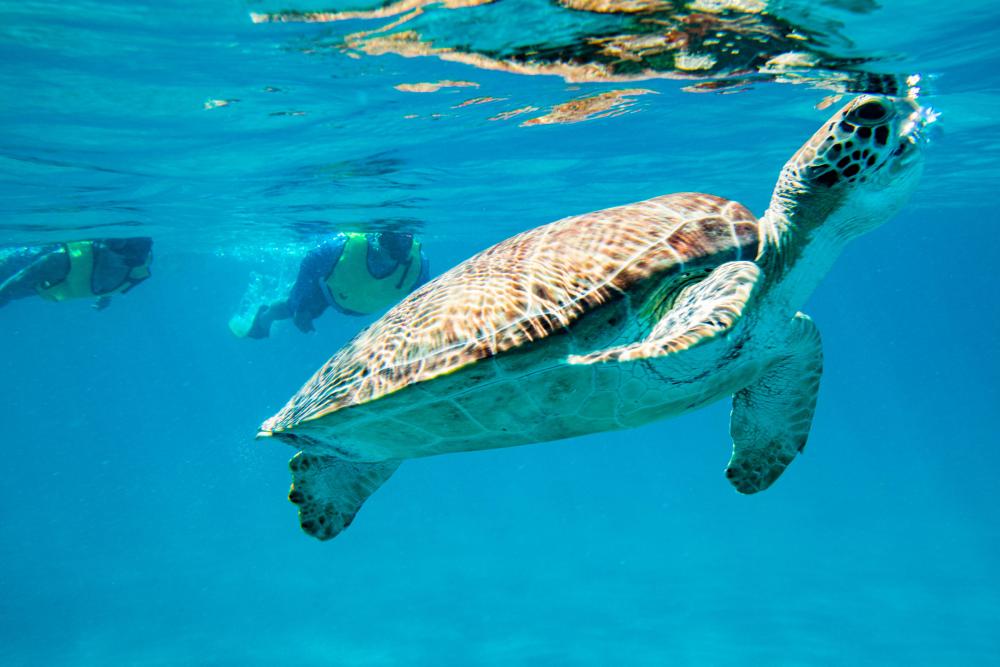
- 🐢 Turtle Distance: Maintain at least 15 feet from sea turtles. If they change their swimming pattern, you are too close.
Top 5 Sustainable Snorkeling Spots for 2026
1. Cas Cay (The Mangrove Lagoon)
Cas Cay remains the most scientifically significant snorkeling spot on the island. This “Marine Stewardship Area” is a labyrinth of mangrove roots that act as a nursery for the entire Caribbean.
2026 Update: New guided-only paths have been established to protect the delicate seagrass beds. Visitors here can expect to see juvenile Lemon Sharks and the rare Upside-down Jellyfish.
2. Brewers Bay (The Seagrass Sanctuary)
Located on the West End, Brewers Bay is the primary research site for the University of the Virgin Islands. Because the bay is deep and nutrient-rich, it supports the largest population of foraging Green Sea Turtles in the district.
What to see: Hawksbill turtles, Southern Stingrays, and large schools of Caribbean Reef Squid.
3. Smith Bay Park (Lindqvist Beach)
Smith Bay is part of a protected 21-acre land and sea park. In 2026, the reef here is one of the most resilient against warming water temperatures due to the unique current flow through the channel.
Why it’s sustainable: Strict entry caps ensure the beach never reaches over-capacity, protecting the shoreline from erosion.
4. Turtle Cove (Buck Island Wildlife Refuge)
Just two miles off the coast of Charlotte Amalie, this offshore refuge is a 2026 must-see. Since it is managed by the US Fish and Wildlife Service, the biodiversity here is unmatched by shore-accessible sites.
Experience: Snorkel over the “Cartanza Senora,” a WWII-era freighter now covered in vibrant sponges and hard corals.
Browse Eco-Charters →
5. Secret Harbour (The Coral Nursery)
Secret Harbour is a calm, protected cove on the East End. In 2026, it serves as a primary site for coral outplanting, where guests can see young Elkhorn coral being reintroduced to the wild.
Best for: Families and first-time snorkelers who want a safe, controlled environment with zero current.
2026 Gear Guide: Snorkel Like a Local
In 2026, sustainable snorkeling starts with your equipment. Avoid “single-use” plastic rentals and consider these eco-friendly gear tips:
- Silicone vs. PVC Masks: High-grade silicone lasts for years, reducing landfill waste.
- Dry Snorkels: In 2026, these are the standard for preventing accidental salt-water inhalation, making your experience much more relaxed.
- The “No Fins” Option: In extremely shallow areas like the Mangrove Lagoon, we often recommend snorkeling without fins to prevent accidental kicks to the coral.